What is a chimney breast?
The chimney breast is the brickwork that encases the flue as it rises through the house. It usually sticks out into the room. In semis and terraces, chimney breasts are often built back to back with the neighbour's, sharing the same stack on the roof.
Why remove one?
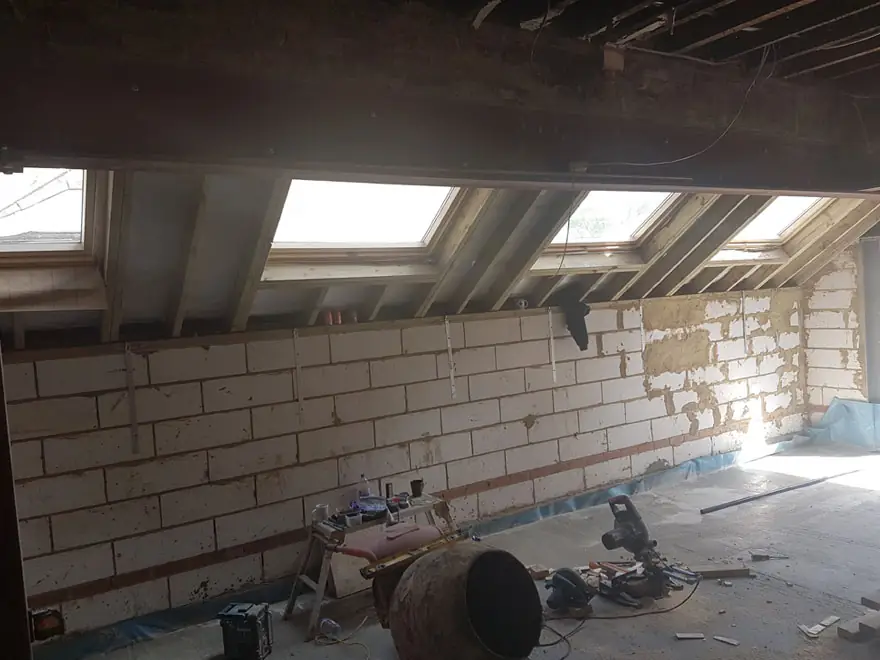
If you no longer use the fireplace, removing the breast can open up a room, make a kitchen layout work, or create space in a loft conversion. Removing a redundant stack can also cure damp and leaks around it.
Why it needs care
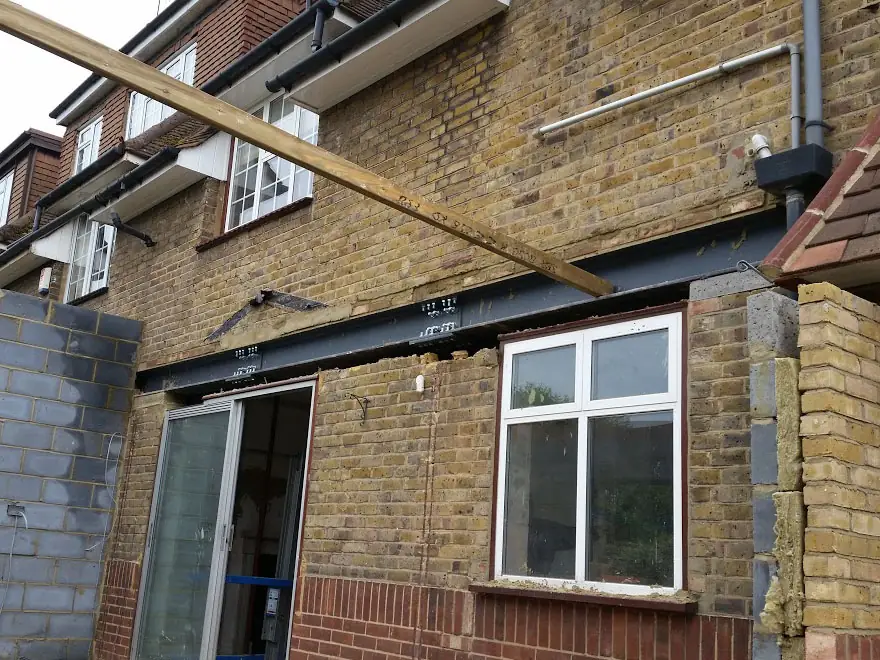
A chimney breast is part of the structure. If you take out the lower part and leave the upper breast or the stack in place, what's left above has to be properly supported, usually on a steel beam. Party wall chimneys and situations where a neighbour still uses their flue need extra care.
What you'll need
- A structural engineer to design the supports and calculations
- Building regulations approval, covering structure, fire safety, sound insulation, damp and ventilation
- Party wall notice if the chimney is on a shared wall, served before work starts
- Planning permission only if the house is listed or in a conservation area, or if you're removing the stack on a visible roof slope in a restricted area. Worth checking either way
- Landlord or freeholder consent if the property is leasehold
- A Gas Safe engineer to check and make safe any gas appliance or flue, yours or the neighbour's
How the work is done
Once the design is approved, the structure above is propped, the breast is taken down in sections, and steel or other supports go in exactly as the engineer specified. The building control inspector checks the work, and once it's signed off you receive a completion certificate. Keep it safe, because a buyer's solicitor will ask for it.
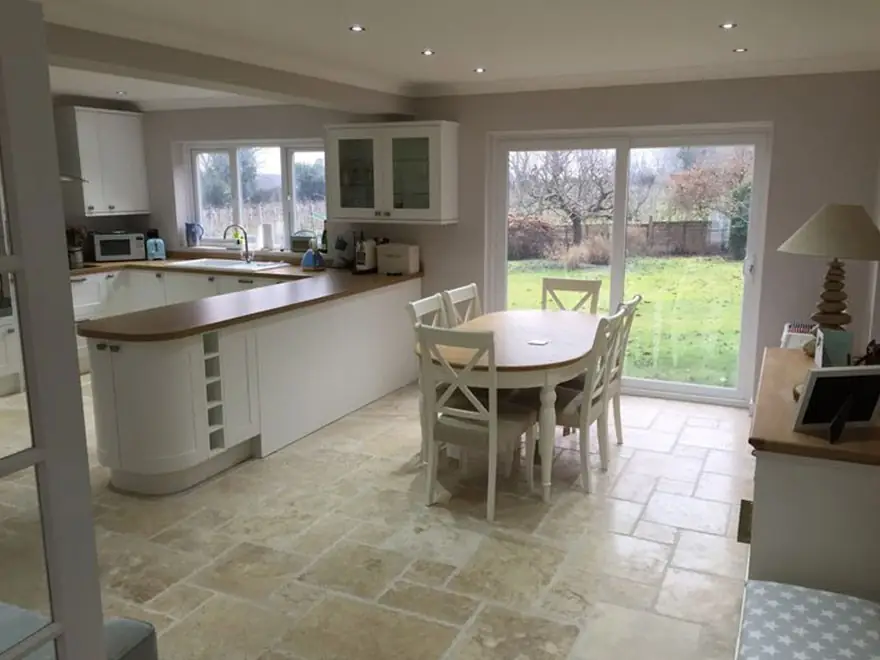
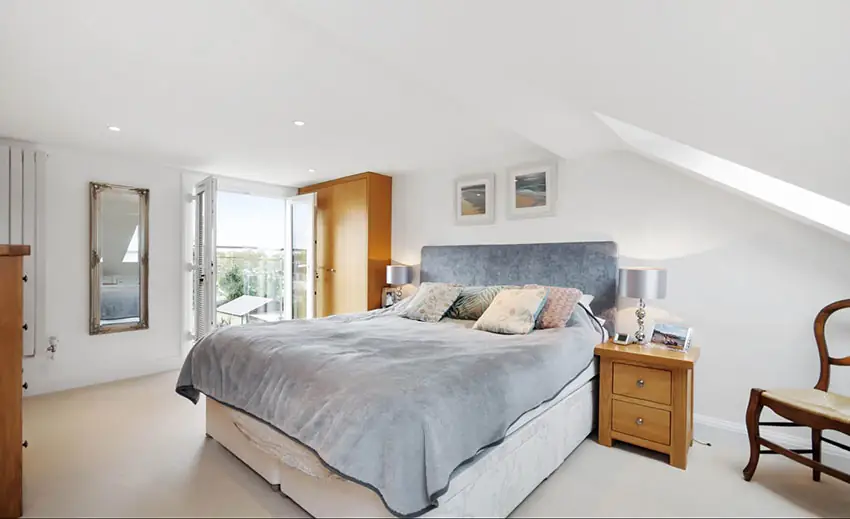
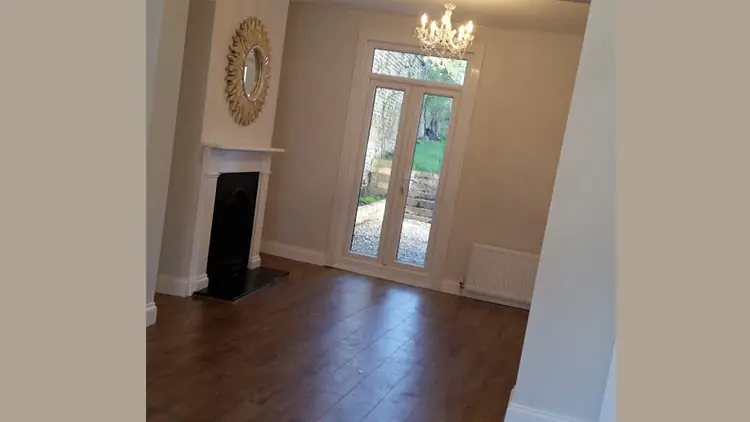
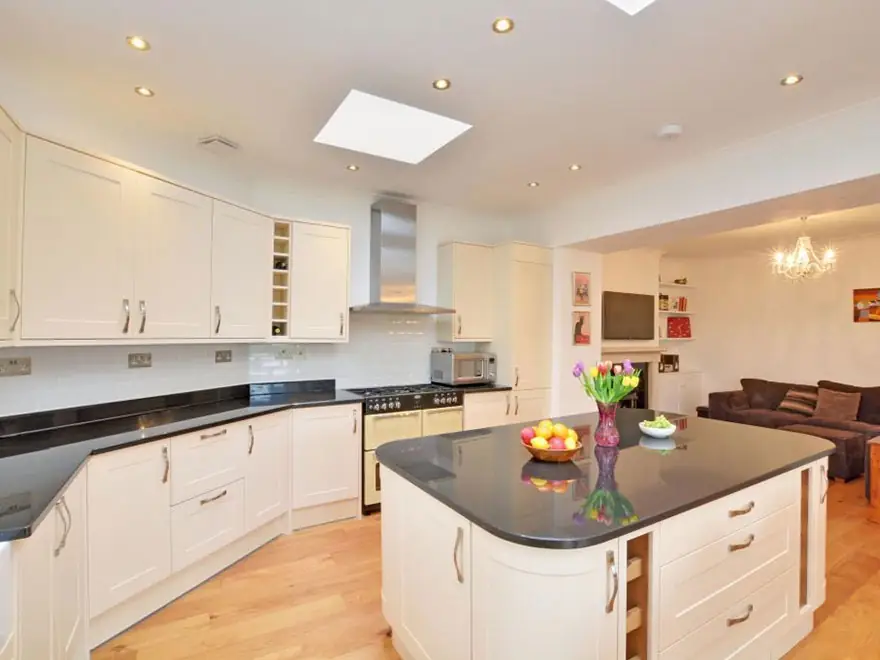
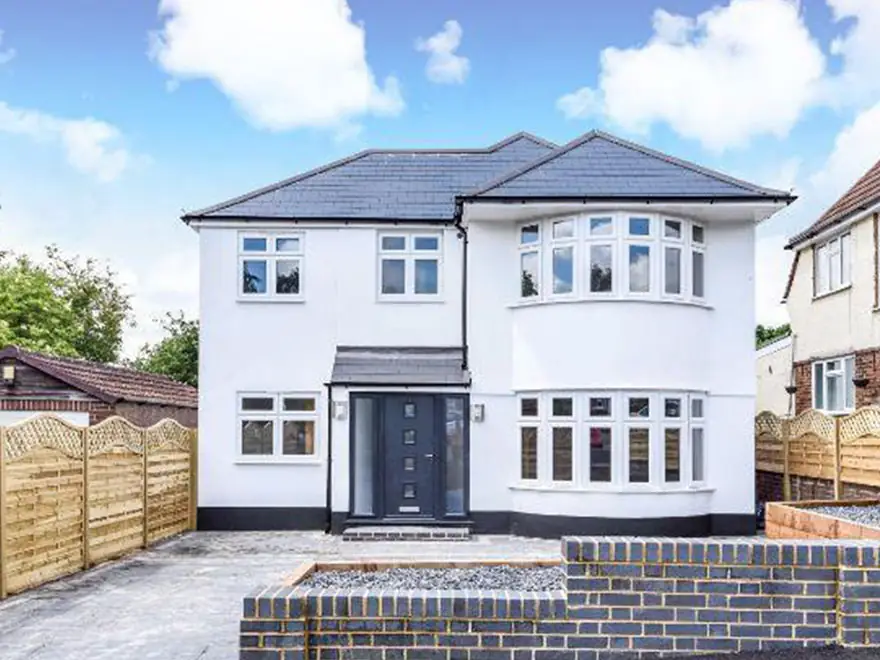
We remove chimney breasts regularly as part of kitchens, knock-throughs and loft conversions, as on our West Wickham Road and The Avenue projects. See our structural and steel work page.