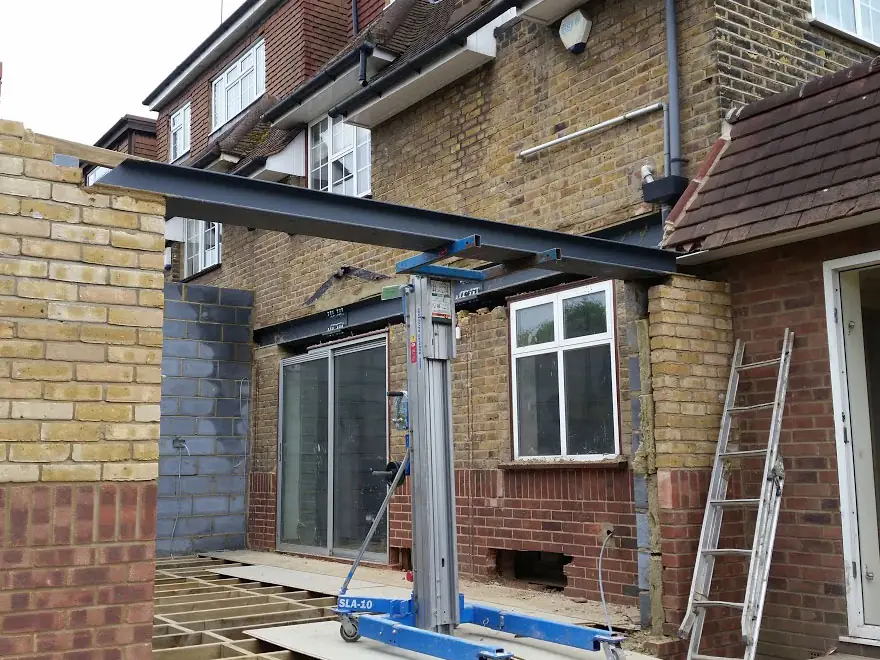
The Party Wall etc. Act 1996 sets out how to do building work on or near a shared wall or boundary without falling out with the neighbours. It isn't about planning permission. It's about protecting both properties and agreeing how the work will be done.
What counts as a party wall?
- A wall that sits across the boundary and forms part of both buildings, like the wall between two semis or terraced houses
- A wall that sits across the boundary but isn't part of a building, such as a garden wall built astride the line
- Floors and ceilings between flats, known as party structures
Work the Act covers
- Building a new wall on or at the boundary
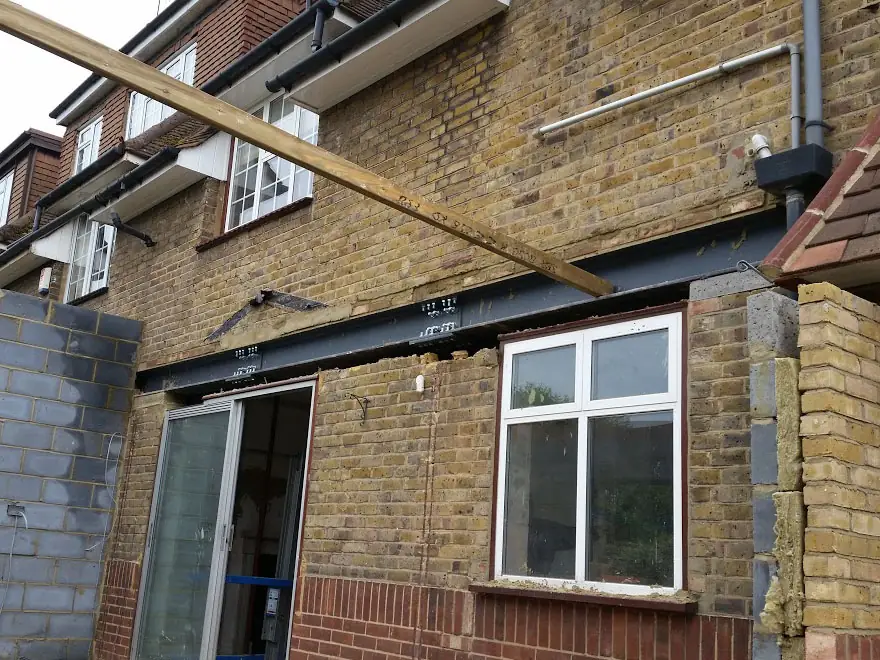
- Cutting into a party wall, for example to bear a steel beam for a loft conversion or extension
- Making a party wall taller, thicker or deeper
- Removing a chimney breast from a party wall
- Knocking down and rebuilding a party wall
- Digging foundations within 3 metres of a neighbour's building and deeper than their foundations (or within 6 metres in some cases)
Notices and timescales
You need to serve written notice on the affected neighbours: at least two months before work to a party wall, and at least one month before building on the boundary line or excavating nearby. Your neighbour then has 14 days to consent or dissent.
If they consent, work can go ahead once the notice period ends. If they dissent, or don't reply, surveyors are appointed (one agreed surveyor, or one each) to prepare a party wall award setting out how the work will be done and recording the condition of the neighbour's property beforehand.
Our advice
Talk to your neighbours before the formal notice drops through their door. Explain what you're planning and when. Most people are reasonable when they don't feel ambushed. We can advise on the simplest route and put you in touch with experienced party wall surveyors, and we'll build the notice periods into the programme so they don't hold up the start.
Official guidance: GOV.UK: Party Wall etc. Act 1996